

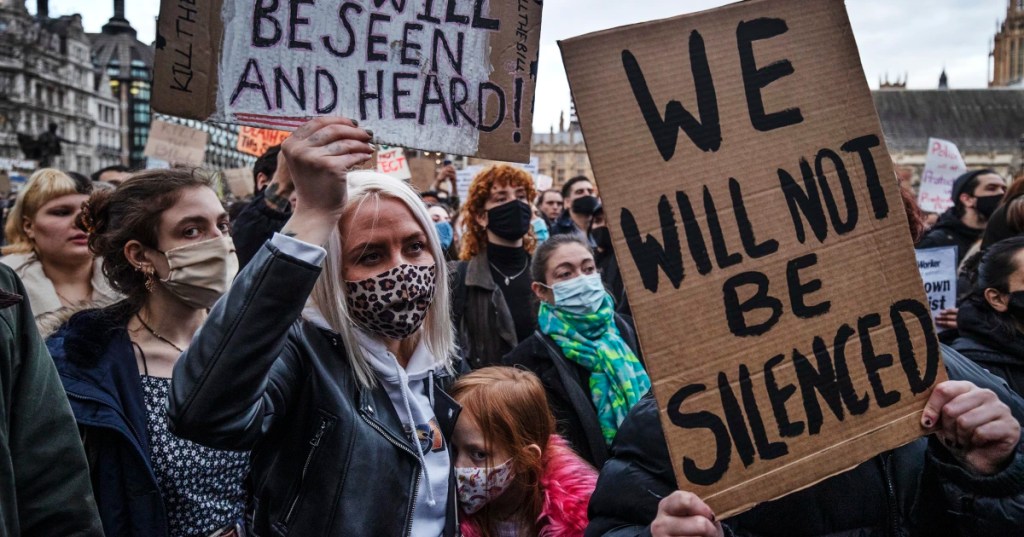
When the world comes to a standstill, it’s time for someone to say what they feel. For most people, this doesn’t mean that they want to hurt someone, it just means they think that something needs to change. However, this is not always the case in America. There are many times when violence against women, especially black women, is ignored or even brushed aside. Whether it be because of how often violence has been associated with being female or black or being in a poor area, people tend to view those who support a woman for her right to choose as “lazy” and “selfish” (and that’s what I always felt). This can make it hard for any person looking for help to reach out to them, but I would like to take a moment to break down why this happens and how this can be avoided. When we talk about violence against women, we need to be careful that these words don’t imply that we are talking about all women, but rather that we are discussing domestic violence. Being domestic means having a husband or a boyfriend or both. Domestic abuse is different from sexual assault;
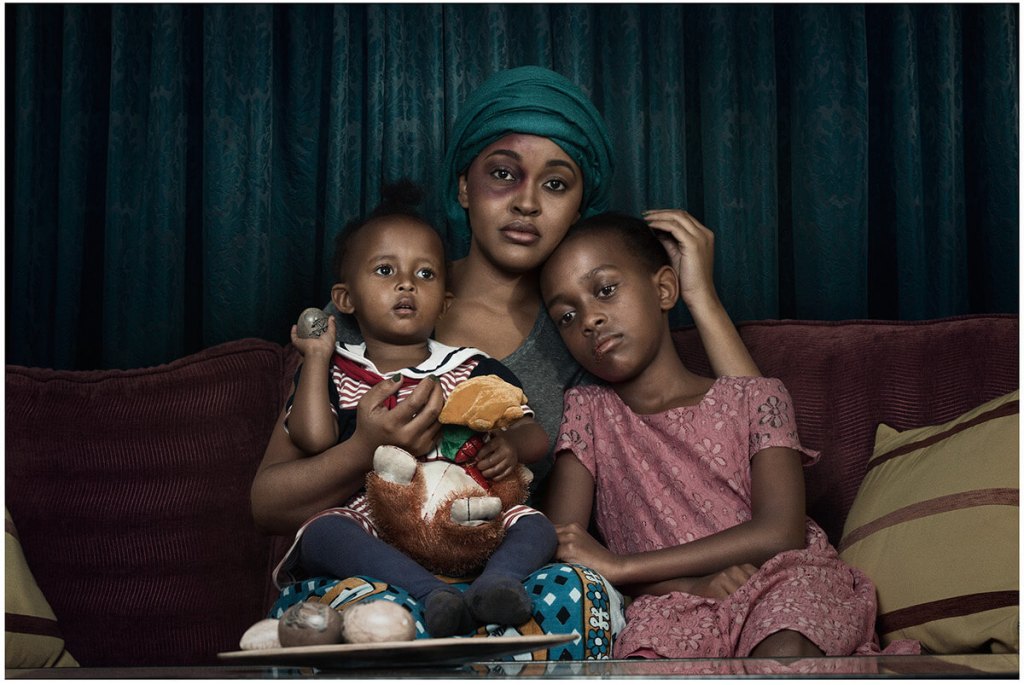
there are many ways that domestic violence fits into sex-based violence: control over power, money, or even access to health care. Domestic abuse can also include things such as physical or mental abuse, which can range from simple slaps to choking or suffocating.
When you put your hand on top of an abuser’s hand (whether it be verbally or physically), they have their freedom and their choice; however, when you place your hands on their face and scream at them, they now have no power over you and anything they do now becomes a liability if they have to respond. What could happen then when you call them names because they don’t know where they put that one finger? So why does domestic violence become so normalized? Why isn’t it more recognized? Here are three reasons:
1) People love being used, and if they get their comeuppance, they are willing to get it again.
2) We only see men as violent toward women. Because it’s easy, everyone thinks they are. The reality is though that violence against women comes in every color, ethnicity, and gender. It does not come close to equal amounts, so most of us don’t try to recognize what we see. Yes, people who are in jobs or live in poverty may experience domestic violence, but so is anyone in another society, and how can we tell? They don’t care about themselves, they care about the children. The sad thing is you can’t always judge whether or not someone is going to be a good parent or a bad parent, and I believe that’s what makes domestic violence look so much worse than it really is. In some cases, we can turn the tables around and say “well maybe she didn’t do it by choice, but it was there and she got her comeuppance”. But that’s still not saying much. A lot of women were forced into it and people forget to realize that they aren’t the ones doing it to them. You have enough work on your plate, thank you? Maybe take a step back, breathe, and appreciate the situation you are placed in because the choices you made, are probably ones that should remain between yourself and life.
3) Victims of domestic violence are blamed themselves for their partner’s actions. This is due to shame and guilt, which lead to self-blame. I believe what victim blaming does well is not only take away our agency but take away empathy and understanding. How can we understand a behavior when we cannot say what we did wrong. We blame ourselves and the perpetrator as to why we’re hurting the other person. By telling ourselves “I did the same thing to my parents when I was little,” we are taking a stance towards our family and our friends. Instead of viewing the perpetrator as a monster, we are viewing ourselves as victims. If you’re a mother or father of a child or you’ve ever had a child, I hope you know how damaging your thoughts are when you have a negative thought or thought about yourself. When you start thinking negatively about yourself, you leave yourself vulnerable to anyone who is trying to take something away from you. Stop thinking about the mistakes you made, because everyone makes mistakes, and they will too. Try it instead by looking beyond your situation to see why you made the decision you made and find ways to fix them. Be kind to yourself and your feelings. Don’t spend all your energy on making excuses. Focus on getting better and taking advantage of opportunities. Sometimes we hear about people committing suicide over mental illness, but it’s often because they’ve taken a chance to commit suicide rather than because they have depression. So you cannot take part of the reason for suicides away because of the medical nature of the problem. Embrace yourself, embrace your past, and embrace where you came from. Helping someone else is far from selfish, and if you really cannot help your partner, please go see a therapist to talk through your issues so you know which path to take. Do not let your partner know that you want them to take responsibility and that you want them to know they need counseling. Let them know that you want them to think positive and that you’ve changed and that they should see that you are safe to talk to. Keep doing everything you can to make them comfortable and let them have any sense of privacy in whatever type of conversation you can have without feeling guilty about yourself or your relationship. These steps can open up new doors in your relationship or lead you down the appropriate path toward healing.
In order to prevent domestic violence from escalating quickly and permanently, there need to be many more conversations surrounding it or it will continue to escalate. Just being aware of it and recognizing it is important, but there needs to be more awareness. Even though it might be difficult for some people to admit when someone is hurting them personally, we need to recognize that our own well-being is affected by people’s views of us. As human beings, our needs are going to change in relation to how we show up to the situation we are in. While speaking to our abusive partners on the phone with no hope is not helpful or realistic, being kind to each other and doing what we can to be more present and mindful of what is happening is important. Speak up whenever someone tries to hurt us, but don’t stay quiet just long enough to keep it from escalating. Remember that we know what our actions are and that’s all they are, so we can take ownership of our impact on each other.
We should not allow others to force us to do things against our will simply because we’re scared or we are uncomfortable. We have a right to determine how to be happy. We have a right to make our own decisions regarding our bodies and our surroundings. We shouldn’t be subjected to harmful behaviors because of who we are, our background, or our background as young adults. We are each responsible for how we view ourselves, and the reality is that is all we are. We need to learn that and stop judging and worrying about ourselves or people who think we are more deserving than we are. All that will eventually add up, make you feel worse, and it will probably end up affecting you permanently. No matter how much someone loves you, don’t try to hide them or act ashamed of yourself. It will only make them continue to push and push and eventually lose control. It doesn’t help to be strong or confident when you’re broken, and we do not have control of anything that goes on outside of ourselves. The best thing we can do for someone who is struggling listens and encourage them to speak up, and remember those aren’t the only people they hurt. We shouldn’t stay in the dark and try to avoid being emotional and hurtful.
We need to be honest with each other, especially in relationships. That starts in childhood and continues throughout adulthood. We need to accept each other for who we are in front of the mirror and try to stop being so quick to judge. Don’t force yourself to be perfect, and don’t try to protect a person who doesn’t love you. Always be open to listening because sometimes you can’t put your fingers on what is actually happening, so the best thing you can do is be here for them. Never try to play favorites, and if you can’t stop yourself from showing them the affection they will eventually lose interest. There is no excuse for abusing someone for doing something as harmless as making dinner, but it’s nice to say thanks as a compliment as well.
Lastly, don’t compare your relationship and your abuse. Comparing yourself or an abuser to someone else is toxic and can create trauma. Both the abuser and the victim need to feel loved. One of the main reasons why we are abused is because we don’t feel loved. Our abusers are usually more emotionally intelligent than the victims, so they know exactly what I am talking about. Yet, I wonder if there is more to being a victim of domestic violence than just being a victim. Is there more to the pain someone feels when we harm them than just the physical harm? Or the actual harm? My answer would be NO. The fear and anxiety of the consequences that come with being a victim of domestic abuse could very well stem from a deeper fear and anxiety of not being loved. Maybe someone can only truly express the love the victim feels in return for being pushed or pulled down, but some people can

 Raimal Raja Goail